When a people’s story is taken from their own hands, something must fill that silence. We did not just lose bronzes and masks. We lost the mirror that told us who we were before anyone else got to decide it for us.
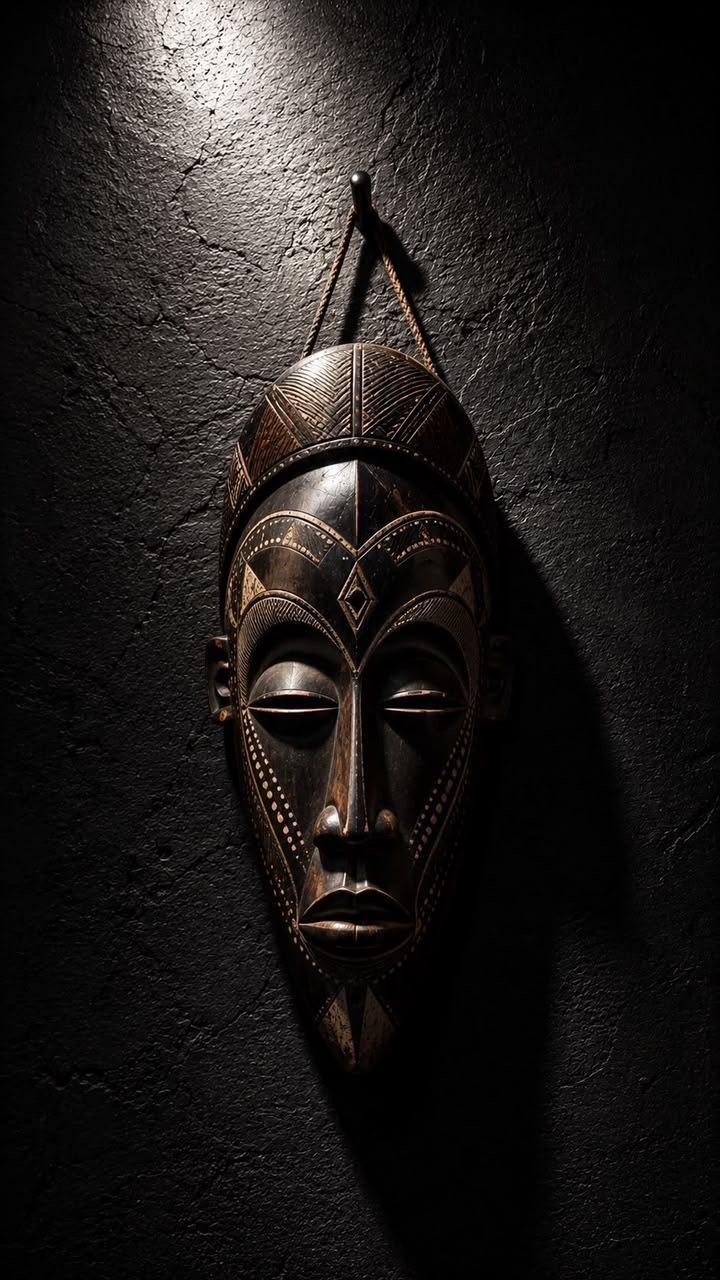
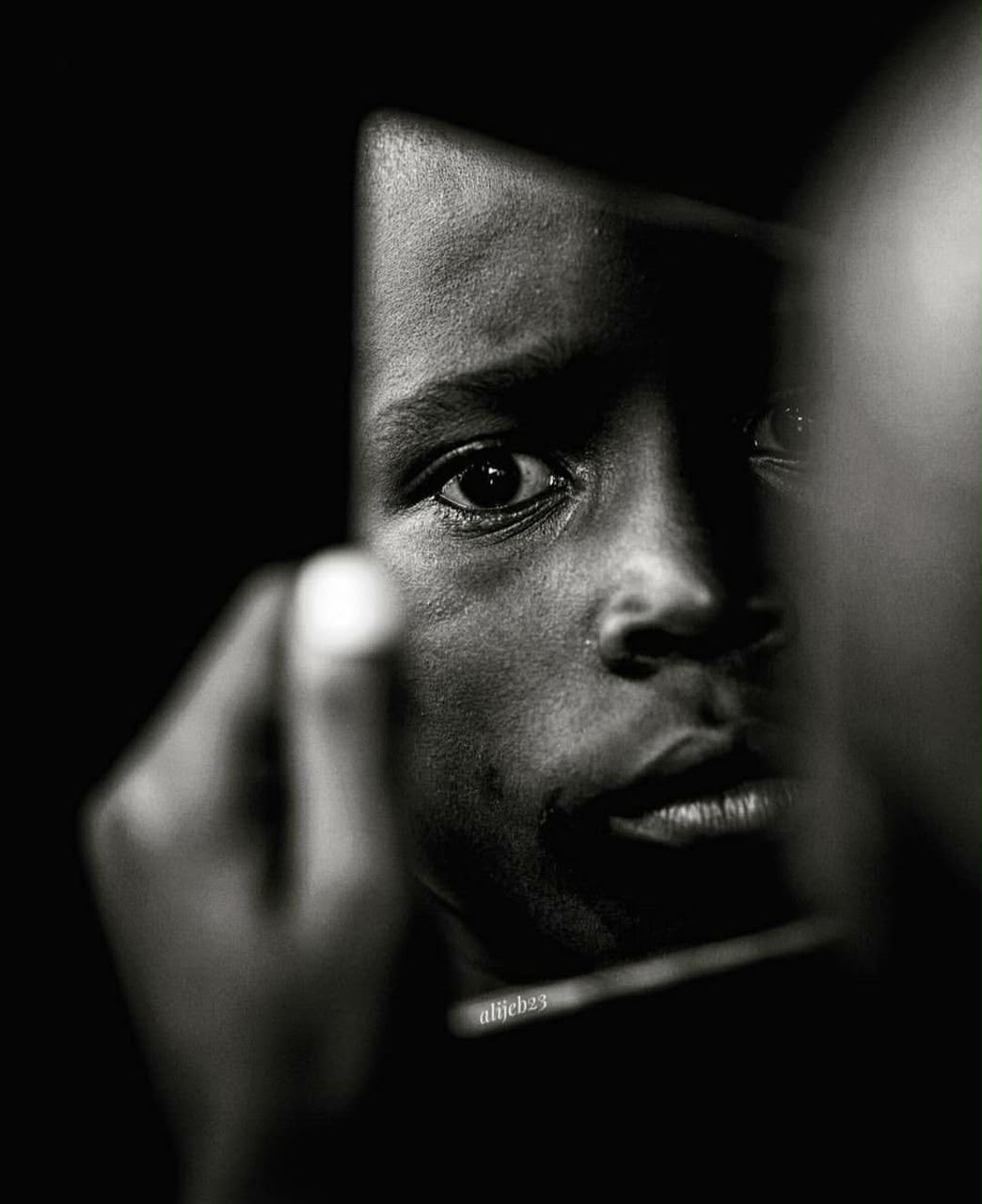 There is a version of me that never got to see her own reflection.
Not because mirrors didn't exist, but because somewhere between the ships and the scrambling of the continent, the mirror was taken. Broken into bronze, wood and gold, and shipped off to sit behind glass in cities that had never earned the right to hold it. I did not grow up knowing this loss by name. I only knew its symptoms: the quiet sense that beauty, brilliance, and "civilisation" were always things that happened elsewhere, and that Africa’s role was to catch up to them rather than to have authored them first.
I used to think African art was something we made. I’ve since learned it is something we are.
Walter Rodney says it plainer than I ever could: "A culture is a total way of life.” It is what you wear, how you walk, how you mourn, how you dance a newborn into the world. Art was never just decoration on the wall of African life. It was the wall. The drum at a naming ceremony, the wood carved for a shrine, the gold weighed for a marriage. These weren't add-ons to existence. They were the language existence spoke in. To lose that art, then, was never a matter of losing objects. It was losing a vocabulary.
So, when it was robbed, something more than objects left the continent.
What Was Actually Taken
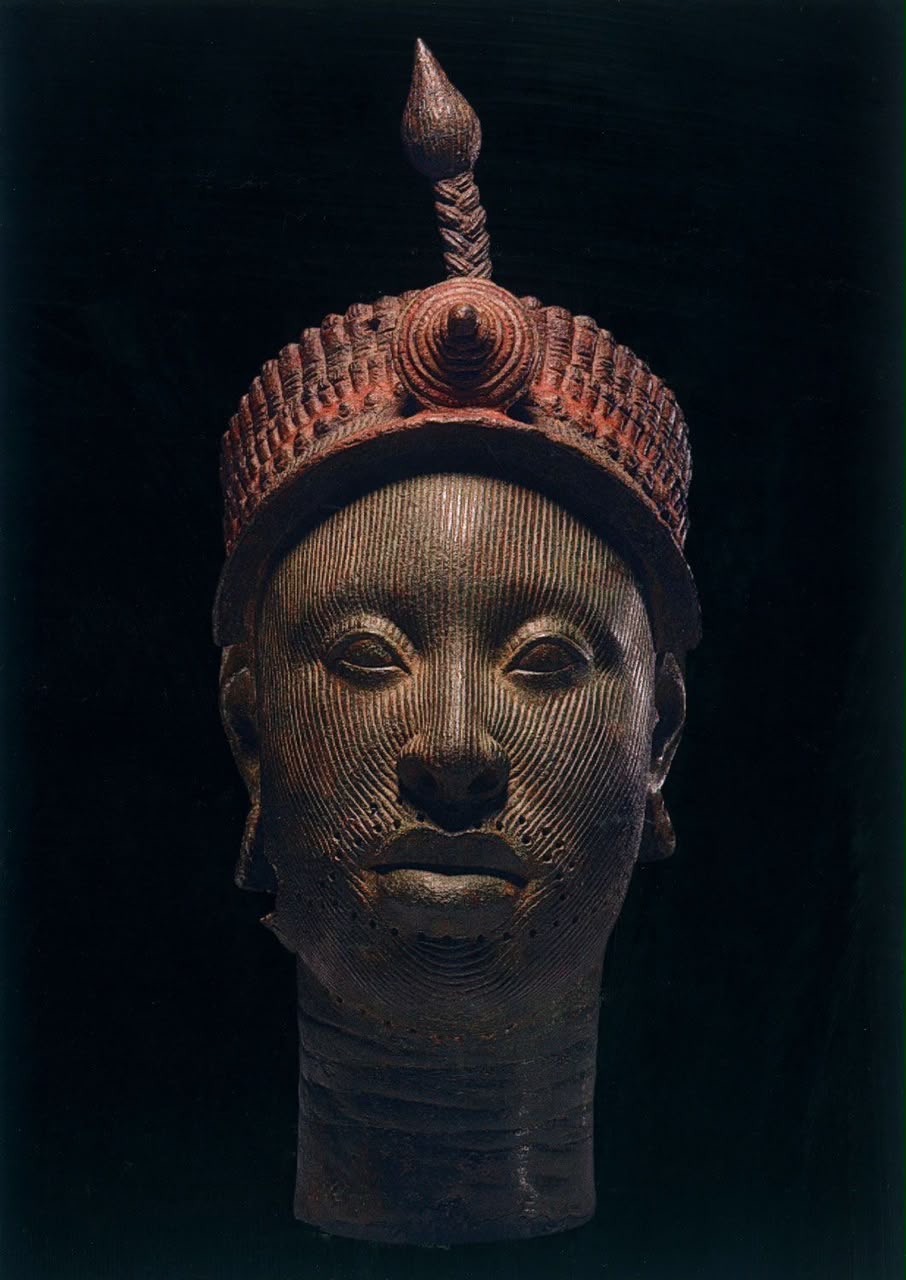
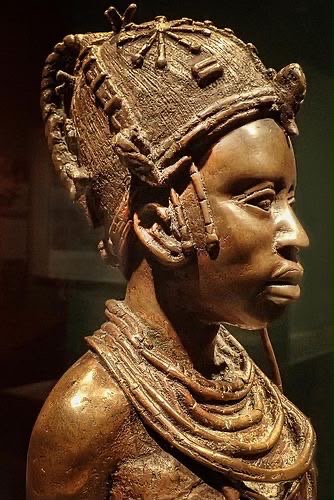
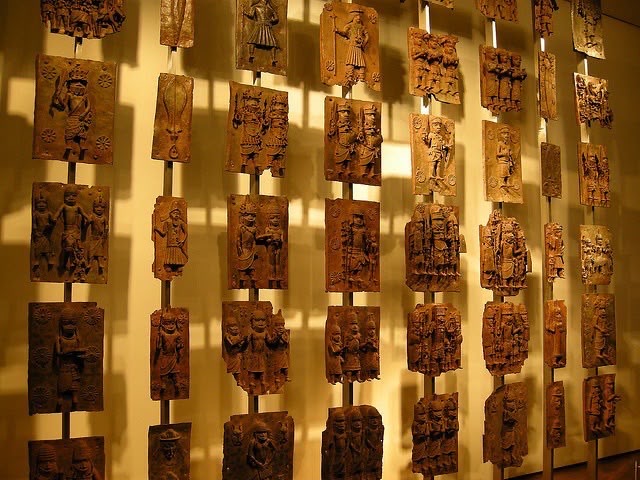
Jim Chuchu says it without flinching that the artefacts sitting in Western museums were not borrowed. They were not gifted. They were taken, pried loose from shrines and palaces and homes, and then quietly rebranded as “collections”, as if theft becomes heritage once it crosses an ocean. There is a particular cruelty in that rebranding. It didn't just remove the object from its people; it removed the theft from the story too, so that generations later, people walk past a glass case and call it history rather than what it is – an open wound wearing a museum label.
And when the Benin Bronzes finally reached European eyes in the 1890s, the reaction wasn't awe at meeting an equal. It was disbelief that “primitive” Africa could have produced anything so exact, so masterful, so undeniably civilised. Historians scrambled for other explanations.
“Surely Egyptians made it." "Surely some lost European influence touched it." Surely there was a more “acceptable” origin story, because the truth was inconvenient: Africa had already arrived at brilliance long before anyone came to “discover it”. The bronzes did not need to be explained. They needed to be believed, and belief was the one thing the West was not prepared to offer.
W. Rodney names this insult directly. Pre-1500 African achievement was measured against European timelines, as though European history were the only clock in the room. Ife bronzes, dated to the 14th and 15th centuries were treated as anomalies to explain away rather than proof to reckon with. And because so much of what we made (wood, cloth, the perishable and the sacred) did not survive centuries of humidity, war, and neglect, the world only ever judged us by the fraction that happened to endure. We were never given credit for what we lost. We were only questioned about what remained. Imagine being measured your entire life by the ruins of your own house, while no one asks who set the fire.
The Real Cost
Here is what troubles me most. It was never really about the object.
When a people’s story is taken from their own hands, something must fill that silence. And too often, what fills it is someone else’s story, someone else’s music, someone else’s gods, someone else’s definition of beauty, spoken back to us as if it were the original language all along. We did not just lose bronzes and masks. We lost the mirror that told us who we were before anyone else got to decide it for us. And slowly, quietly, some of us started reaching for foreign reflections instead, because the one that was ours had been taken off the wall, and a wall left bare for long enough will eventually be filled with whatever is nearest.
This is the wound underneath the wound. Not just that our art sits in glass cases in London and Paris. But that generations of us have grown up without ever standing in front of it, without ever hearing our own story told back to us in our own materials, our own hands, and our own hue of gold. We inherited the absence without ever being told there had been a presence first.
That is how forgetting works. It rarely announces itself. It simply leaves a gap and lets you assume the gap was always there.
Leading From a Reclaimed Mirror
I don't come to this as a bystander. I come to this as someone building a life around the belief that Africa’s story is not finished. That our economic future, diplomatic voice, and spiritual identity are all threads of the same fabric W. Rodney describes. We cannot build economic dignity on a people who have forgotten their own worth. We cannot represent the continent on a global stage if we’ve inherited someone else’ script for who we are. And I certainly cannot lead women into their calling while whispering, underneath it all, that our story started somewhere else.
Preserving African art, then, isn't nostalgia. It is inheritance. It's the difference between a generation that borrows its identity and one that remembers it. And remembering, I'm learning, is not passive. It must be practised in the ventures we build, the ministries we lead, and the tables we sit at on behalf of a continent that has always had something to say, if only someone had stopped to listen sooner.
Who Else Needs to Know?
Every person who has ever looked at a mask in a foreign museum and felt nothing, because no one ever told them it was theirs to feel something about. Every young woman who has been handed someone else’s standard of beauty, someone else’s definition of success, and called it universal when it was never even hers to inherit in the first place.
We spread the word not by shouting louder than the world that took our art, but by living loud enough with what we still carry. Our language, our fabric, our faith, our leadership. That no one mistakes us for a people without a story again. We spread it by building things – brands, ministries, careers, homes – that are unmistakably, unapologetically rooted in where we come from, so that reclamation is not just an argument we make about the past, but a life we’re actively living in the present.
From The Mirror to the Hands That Hold It
This entire piece has been spent naming what was taken from us. That was necessary, because we cannot heal a wound we refuse to look at, and for too long Africa has been asked to move on from a theft it was never allowed to fully name. But naming the wound is not the same as living inside it forever. At some point, the question has to change. Not what was done to us, but what we will do now that we know. It would be easy to let this become only an accusation: a permanent finger pointed outward at museums, at empires, at histories that owe us more than they've given. And there is a place for that accusation; it is honest and it is deserved. But if we only ever point outward, we hand away our agency along with our art. The West took the bronze. We will not also let them keep our future.
Responsibility means recognising that while the theft was not our doing, the rebuilding is now entirely our assignment. No one is going to hand out to us our sense of self intact. We have the charge to remake the mirror with our own hands, and that is not a lesser inheritance than the one we lost. It may, in fact, be the more sacred one, because this time, we will know exactly what it cost to make it.
The bronze may still sit behind glass. But the story it was trying to tell? That part, they never managed to steal. We do not need the old mirror returned to us to begin. We only need to decide today, to start holding up something honest, and to keep holding it long enough for the next generation to finally see themselves in it too. And every time one of us chooses to remember instead of simply forget, we hand a small piece of that mirror back to the next generation, a little less broken than we found it, and a little more whole with every hand that carries it forward.
Written by fellow Melchida Lackland Sam