A beautiful vision can inspire, but vision alone cannot transform societies. Aspiration remains a dream without discipline, commitment, consistency, and determination. Africa has no shortage of ambitious visions.
The Value of Actionable Goals
Admiring a glittering vision may be sensational, but appreciating an actionable and achievable goal is far more valuable. A beautiful vision can inspire, but vision alone cannot transform societies. Aspiration remains a dream without discipline, commitment, consistency, and determination. Africa has no shortage of ambitious visions. We have heard speeches, read reports, attended conferences, and developed strategic plans. Yet progress should be measured not by how impressive our aspirations sound, but by how effectively we turn them into results. The time has come to move beyond admiring what Africa could become and begin doing the work required to make it happen.
Beyond Intellectual Rhetoric
For decades, reports, schools of thought, and development frameworks have offered ideas capable of shaping Africa's future. These discussions have improved our understanding of the continent's challenges and possibilities. However, ideas must now be accompanied by deliberate action. Knowledge that remains on paper cannot build industries, create employment, improve education, strengthen institutions, or transform communities. The question is no longer, “What vision do we have for Africa?” We already have many visions. The more important question is, “What are we doing today to bring those visions to life?”. Africa has lagged behind for too long and has struggled to receive the recognition its resources, people, and potential deserve. We possess natural resources, a youthful population, intellectual capacity, cultural diversity, and opportunities for economic growth. However, possessing potential is not the same as realising it. We must transform its collective potential into measurable progress. Africa does not lack resources, ideas, creativity, or human capacity. What we often lack is the discipline, unity, accountable leadership, effective institutions, and sustained commitment required to convert these assets into results. Our challenge is not simply discovering new solutions; it is implementing solutions we already know. Development requires consistent effort over time, even when immediate results are not visible.
The pillars of development
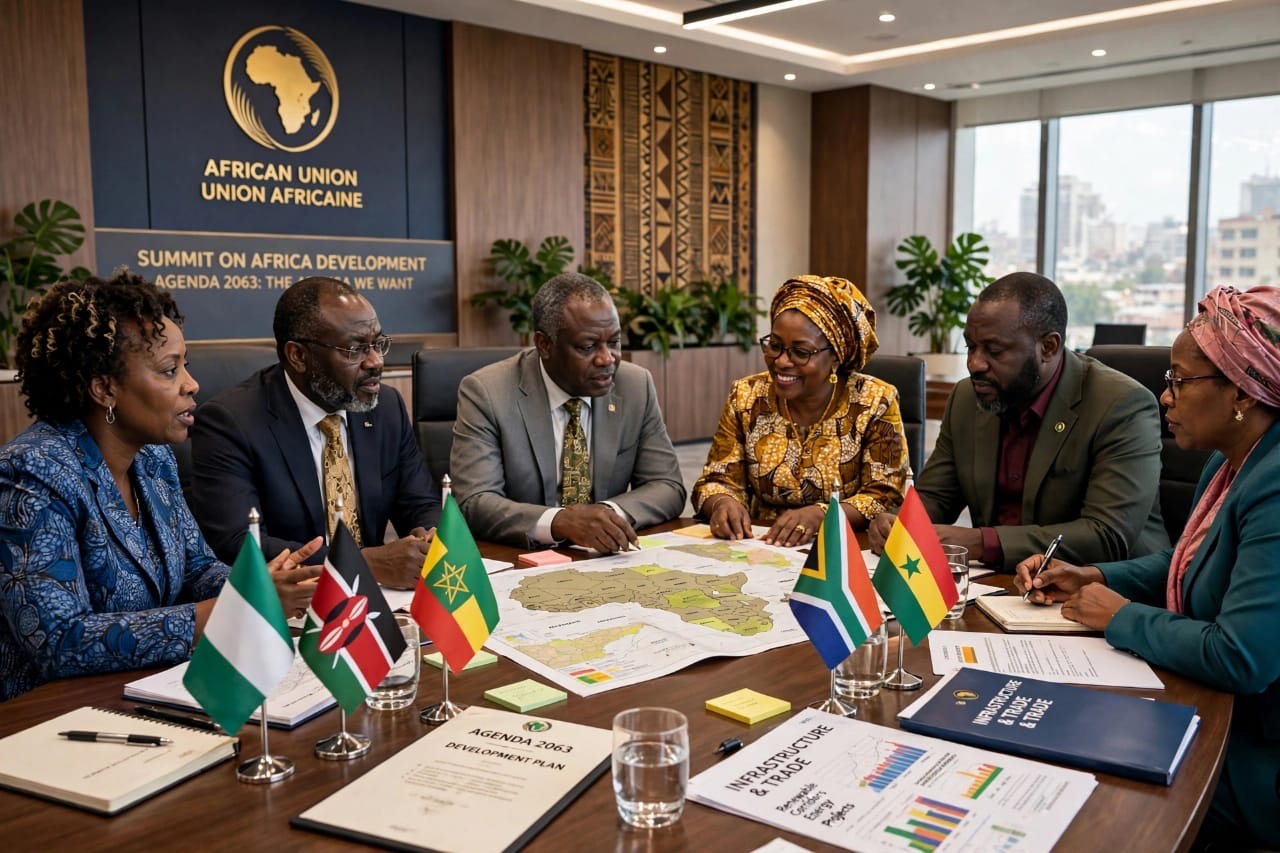
The African Union has envisioned an Africa characterised by solidarity, integration, development, and prosperity. This vision reflects the continent's immense potential and its desire to compete confidently on the global stage. The aspirations of the African Union provide a useful framework for thinking about the future of the continent. Notwithstanding, the aspiration captures all the pillars leading to the development of the big picture of Africa. This cannot become a reality through words alone. It requires a conscious effort to inflate the pillars with materials and the needs to remain steadfast and resist from any changes. The story of Samson and the Philistines illustrates the importance of structural strength. Samson was brought into a building where the Philistines had gathered, and he positioned himself against its supporting pillars. By pushing against them, he brought the entire building down. The lesson is clear: when the pillars of a structure are compromised, the consequences can affect everything. A building may have beautiful walls and impressive decorations, but if its foundations are weak, its survival is uncertain. In the same way, Africa may possess ambitious development plans, but without strong institutions and social structures, those aspirations can collapse. Walls can be repaired or redesigned, but pillars must be preserved and strengthened because they carry the weight of the structure. Africa must therefore focus not only on removing obstacles but also on strengthening the institutions that sustain society. Education, science and technology, the media, family, government, business, arts, and culture are fundamental pillars of transformation. If these institutions become weak, corrupt, ineffective, or neglected, the consequences will extend beyond individual organisations. Their strength determines the strength of society.
Africa must therefore become conscious of its pillars. We should not remain unperturbed when institutions that sustain our societies are being weakened. We must recognize that development is not only about constructing physical infrastructure; it is also about strengthening the invisible structures that hold society together.

From Policies to Implementation
The African Union's aspirations can become reality only through a deliberate transition from aspiration to implementation. Africa has produced declarations, policies, strategies, and development frameworks. The challenge is often not the absence of ideas but the gap between what we say and what we do. A policy's value is determined by its impact on people's lives. A development strategy is meaningful when it creates jobs, improves education, strengthens healthcare, promotes innovation, expands trade, and creates opportunities. We must measure progress by the number of lives transformed. Leaders must move beyond writing policies and build systems capable of delivering results. Leadership should be measured not only by speeches or promises but by the ability to create institutions that work. Citizens must also recognise that development is not solely the responsibility of governments. Families, businesses, schools, religious organisations, the media, civil society, and young people all have important roles to play. Africa's transformation must become a collective responsibility.
The Power of Continental Cooperation
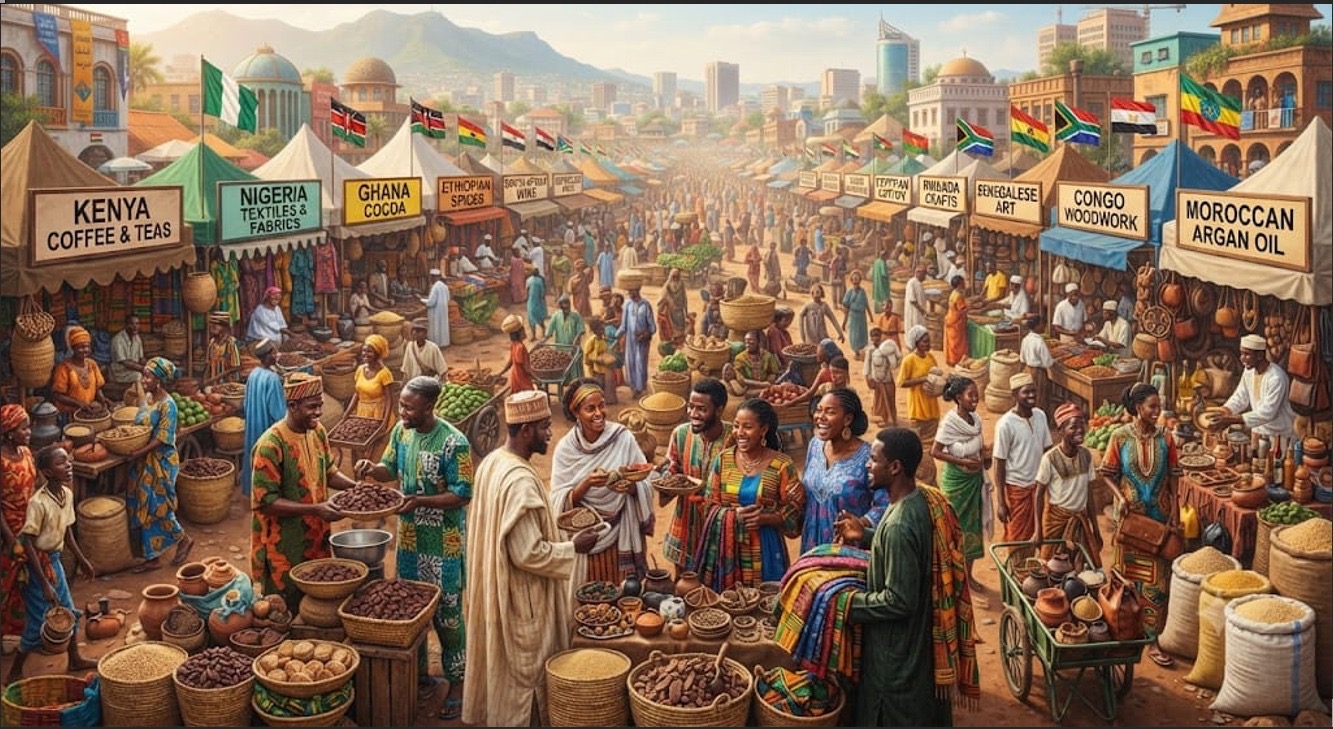
Africa must build together. African countries must increase intra-African trade, strengthen regional integration, share knowledge and technology, develop infrastructure, and create opportunities for young people. When African nations combine their markets, talents, resources, and knowledge, the continent becomes stronger and more competitive. Collective strength can create opportunities that individual nations may struggle to achieve alone. Africa's future will be determined by the quality of people and institutions developed today. A continent with a youthful population must treat young people not merely as beneficiaries but as active participants in development. They need quality education, relevant skills, technological knowledge, entrepreneurial opportunities, and leadership capacity. If Africa empowers its youth, they can become one of the continent's greatest assets.

From Vision to Measurable Achievement
The time has come to move from vision to action, from aspiration to implementation, and from promises to measurable achievement. We must replace endless rhetoric with responsibility, excuses with solutions, and temporary enthusiasm with sustained commitment. The Africa we desire will not emerge simply because we speak about it. It will emerge when individuals, institutions, businesses, governments, and communities make deliberate choices that contribute to transformation.
Africa is not hopeless, nor is its future permanently determined by its past. The continent still possesses immense potential and an opportunity to reclaim its rightful place in the world. However, hope must be accompanied by action, potential by discipline, vision by implementation, and leadership by accountability.
The question is no longer whether Africa can rise. It is whether we are prepared to do the work required to make it rise. Africa does not need another generation that merely admires the vision. It needs a generation that will build it. We must strengthen the pillars, embrace collaboration, demand accountability, and transform aspirations into measurable realities. Africa's future will not be determined by what we say about it, but by what we are willing to do for it.
Written by fellow Reuben Mainoo Yeboah