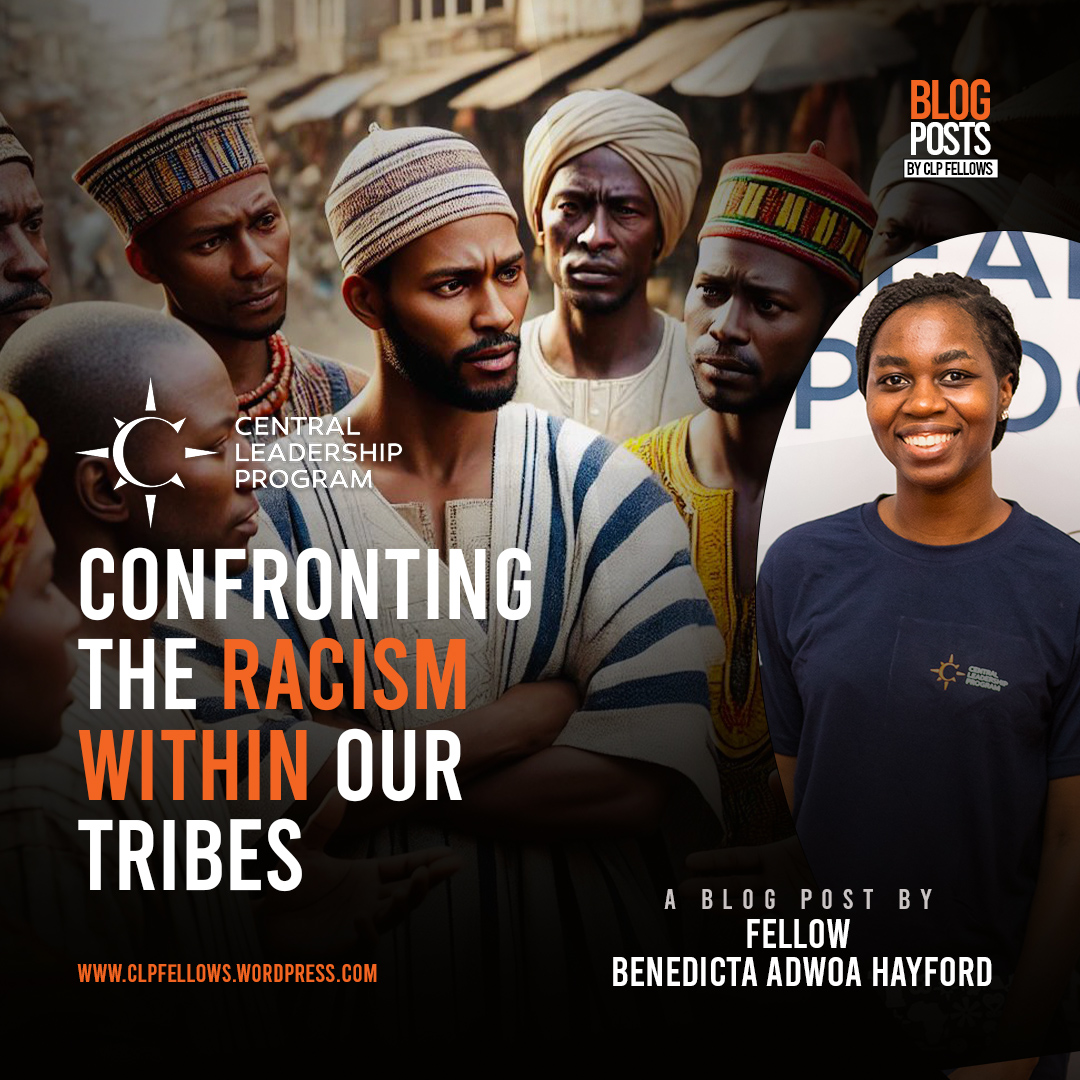
While Africans have bravely fought racism from outsiders, a destructive bias persists within — tribalism.
In a conversation with a colleague, a lady exclaimed, "God forbid that I should marry an Ewe man. My family would even disown me."
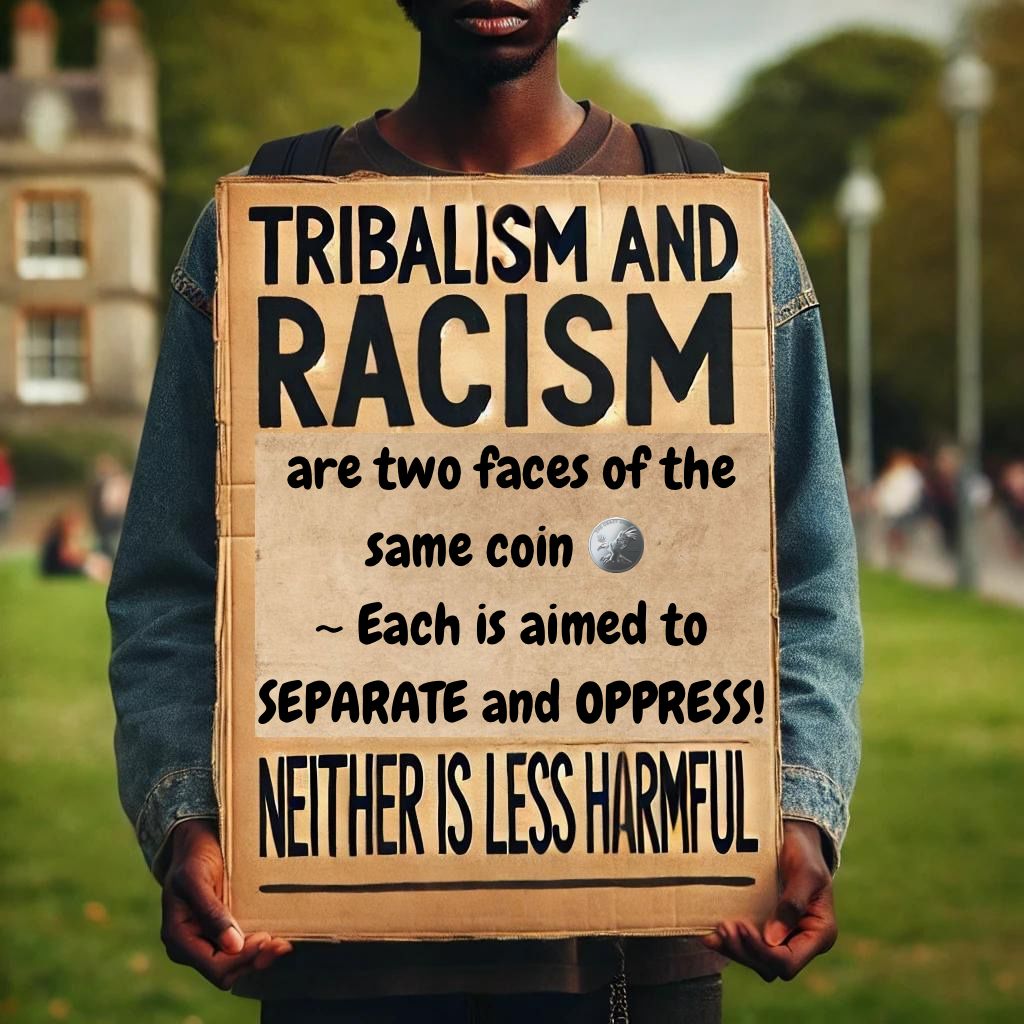
Throughout history, Africans have courageously confronted discrimination and campaigned for parity in the struggle against racism. Although considerable headway has been achieved against racism, another destructive form of bias endures: Tribalism.
What makes this especially concerning is that it isn't perpetuated by outsiders but instead by Africans against themselves.
Africa is home to approximately 3,000 diverse tribes, each contributing to the continent's rich tapestry of cultural heritage, languages, and practices. This immense diversity is a source of pride and identity for many, offering a deep sense of belonging and community. However, we can no longer turn a blind eye to the division, inter-tribal conflicts, discrimination, and even violence our excessive loyalty to our individual tribes have caused.
I dare say there is nothing wrong with taking pride in your cultural heritage. The problem lies in the belief that one tribe is superior and inherently better than the other, resulting in discrimination and the perpetuation of negative stereotypes.
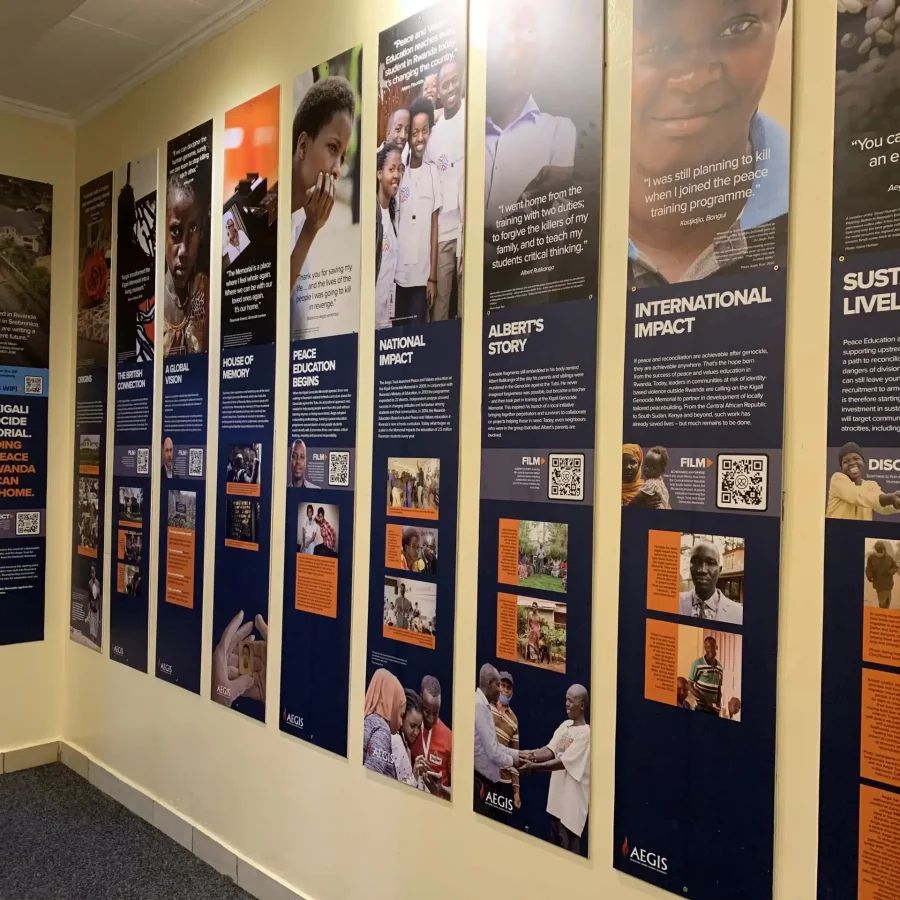
The tragic Rwandan genocide of 1994, where the Tutsi and Hutu populations were embroiled in horrific violence, serves as a reminder of the devastating consequences of tribal conflicts. Over the course of just 100 days, an estimated 800,000 people were brutally killed.
Rather than allow our diversity to divide and weaken us we can harness it for collective strength. Rather than fixating on our differences and perpetuating stereotypes, we can choose to see the value in each other and the potential contributions we all bring to the future of our country.
WHAT ABOUT YOU?
Written by Fellow Benedicta Adwoa Hayford